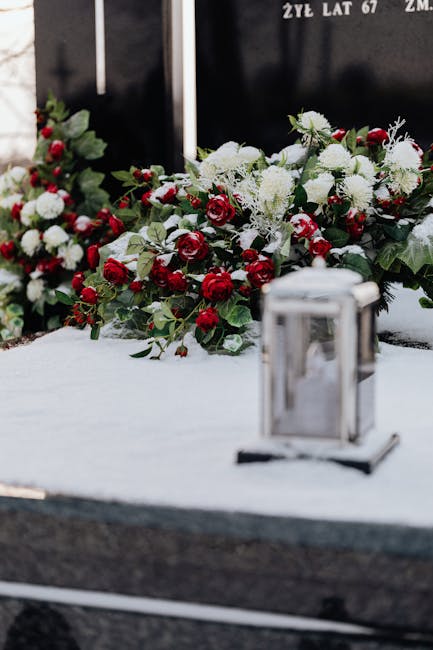
Wandsworth Council rules for floral tributes at local cemeteries
Posted on 18/10/2026
If you are trying to place flowers at a loved one's resting place, the last thing you want is confusion. The Wandsworth Council rules for floral tributes at local cemeteries can feel a bit niche at first, but in practice they are there to keep the cemetery calm, tidy, and respectful for everyone. And to be fair, that makes sense. No one wants tributes blowing across pathways on a windy afternoon or creating unnecessary work for cemetery staff.
This guide explains the practical side of floral tributes in plain English: what the rules usually mean, how cemetery etiquette works, what to check before you travel, and how to choose flowers that are likely to be accepted and well cared for. You will also find a checklist, a comparison table, a real-world example, and answers to the questions people actually ask when they are arranging memorial flowers in Wandsworth.
Let's keep this simple and useful. If you are arranging flowers for a grave, a memorial service, or an anniversary visit, the goal is the same: show love and respect without causing avoidable problems.
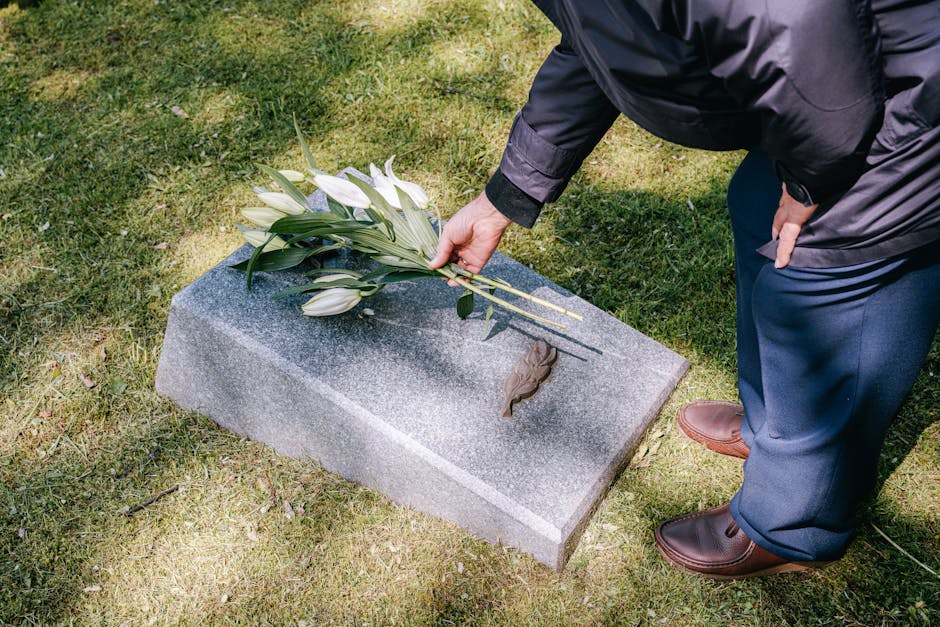
Table of Contents
- Why Wandsworth Council rules for floral tributes at local cemeteries matters
- How Wandsworth Council rules for floral tributes at local cemeteries works
- Key benefits and practical advantages
- Who this is for and when it makes sense
- Step-by-step guidance
- Expert tips for better results
- Common mistakes to avoid
- Tools, resources and recommendations
- Law, compliance, standards, or best practice
- Options, methods, or comparison table
- Case study or real-world example
- Practical checklist
- Conclusion
- Frequently Asked Questions
Why Wandsworth Council rules for floral tributes at local cemeteries Matters
Floral tributes might seem like a small detail, but in a cemetery they carry real practical weight. A bouquet laid neatly by a headstone is one thing. Loose cellophane, oversized arrangements, broken containers, and fading flowers scattered by the weather are another. Wandsworth Council rules for floral tributes at local cemeteries matter because they help preserve dignity, avoid clutter, and keep the grounds safe and manageable.
That matters for families, visitors, and staff alike. A cemetery is not just a place of remembrance; it is also a shared public space with maintenance schedules, mowing, access routes, memorial safety checks, and varied weather to contend with. If tributes are placed without thought, they can block paths, interfere with groundskeeping, or simply become untidy faster than expected. You may have noticed this yourself after a rainy week in London: a neat arrangement on Saturday can look very different by Tuesday morning.
There is also an emotional reason these rules matter. For most people, floral tributes are deeply personal. A calm, consistent approach helps ensure that a tribute looks cared for, not forgotten. That is especially important around funerals, anniversaries, birthdays, and dates that already carry a lot of feeling. A respectful rule set gives families confidence that their tribute is placed in the right way, at the right time, and with the right materials.
In practical terms, the rules also help avoid disappointment. It is the sort of thing you only want to get wrong once. Arriving with the wrong type of arrangement, or placing flowers somewhere they are likely to be removed, is a painful little mix-up nobody needs.
Expert summary: Good floral tribute practice is less about making flowers look elaborate and more about making them appropriate, durable, and easy for cemetery staff to maintain. A simple, well-chosen tribute often works better than something extravagant.
How Wandsworth Council rules for floral tributes at local cemeteries Works
At a practical level, cemetery floral rules usually work through a few common ideas: where the tribute can be placed, how large it should be, what kind of container or wrapping is acceptable, and how long it can remain before removal or disposal. Different cemeteries may have their own site-specific guidance, so the safest approach is always to treat the council or cemetery office instructions as the deciding point.
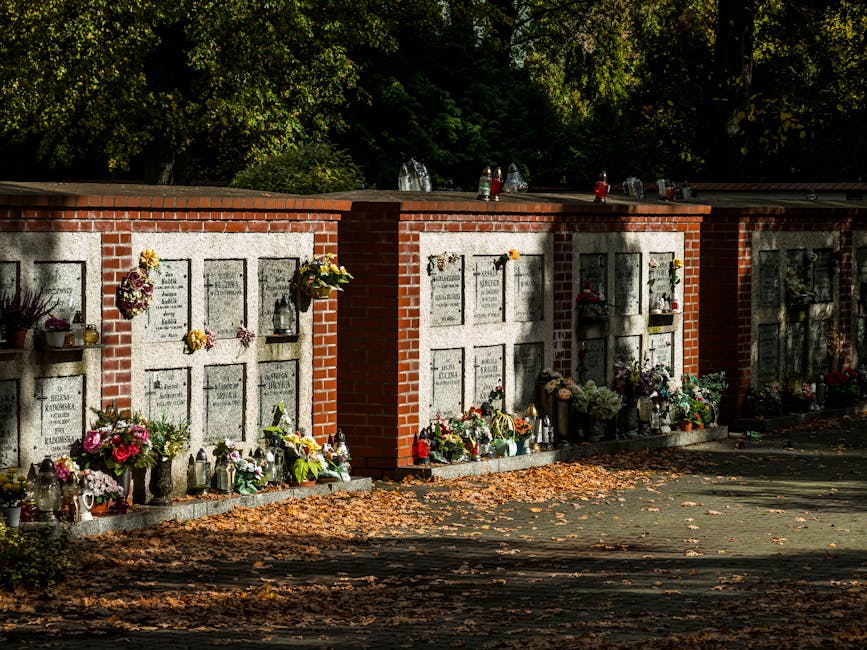
In many cemeteries, floral tributes are expected to be placed directly at the grave or in a designated memorial area, rather than anywhere on the grounds. This helps keep walkways clear and makes maintenance easier. Some sites also have special arrangements for cremated remains plots, lawn graves, or communal remembrance spaces, which can change what is suitable. A tribute that is ideal for one plot may be out of place at another.
Tributes are commonly monitored for condition. Fresh flowers are usually welcome when they are tidy and securely placed, but once they wilt, shed, or start to obstruct mowing or general upkeep, they may be removed by cemetery staff. That is normal, not personal. The same goes for items that are not flowers at all but are attached to floral gifts, such as plastic picks, ribbons, foil, or decorative sticks. Sometimes they are fine. Sometimes they are a nuisance. It depends on the site.
You should also expect practical limits. For example, very large arrangements, loose artificial materials, or anything that could be blown away may be restricted. In windy weather, even a lovely arrangement can become a problem if it is not weighted properly. A wet London afternoon and a cheap plastic wrap is not a glamorous combination, let's face it.
If you are ordering from a local florist, it helps to choose a business that understands sympathy work and cemetery etiquette. A florist used to memorial work will usually know how to build a tribute that is neat, secure, and suitable for a grave setting. For nearby delivery and local knowledge, you may find a dedicated service such as funeral flowers in Battersea a practical option, especially when timing matters.
Key Benefits and Practical Advantages
Following the local cemetery guidance is not just about avoiding trouble. It has real advantages for families arranging tributes and for anyone visiting a grave regularly.
- Less risk of removal: A tribute that fits the rules is more likely to stay where you place it.
- Better presentation: Neat, appropriate flowers look more respectful and lasting.
- Less stress on the day: You will not be second-guessing every little detail when emotions are already high.
- Safer grounds: Clear walkways and secure arrangements reduce trip hazards and cleanup issues.
- Easier maintenance: Cemetery teams can mow, trim, and keep the site tidy without repeatedly moving unsuitable items.
- More durable tribute: Properly selected flowers and containers tend to cope better with weather and time.
There is another benefit people often overlook: peace of mind. When you know the tribute is appropriate, you can focus on the visit itself. That sounds obvious, but in grief the little practical unknowns can become surprisingly heavy. Clear rules remove one more worry from the day.
For families who want a more understated tribute, a carefully selected basket, posy, or spray can feel right. For others, a more formal wreath or letter tribute may be appropriate, provided the cemetery allows it. The point is not to make every arrangement identical. The point is to make it suitable.
Who This Is For and When It Makes Sense
This guidance is useful for quite a wide group of people, not just those arranging funerals. You may need it if you are:
- visiting a family grave for an anniversary or remembrance day
- arranging flowers after a burial or cremation
- sending flowers on behalf of relatives who cannot attend
- ordering a cemetery-safe tribute from a local florist
- choosing a design for a memorial, wreath-laying, or personal tribute
- trying to work out whether artificial flowers, candles, toys, or keepsakes are acceptable
It also makes sense if you are helping an older relative or a friend who is unfamiliar with local cemetery practices. Sometimes the practical part falls to the person who is simply "the organised one" in the family. No pressure, of course.
If you need flowers that can be delivered promptly and are suitable for a respectful setting, a service such as flower delivery in Battersea or same-day flower delivery Battersea may help when arrangements are being made quickly. That can matter when funeral timings change or when a family wants to place tributes before a service.
It is also worth remembering that "local cemeteries" can mean different environments: lawn cemeteries, churchyards, cremation sections, memorial gardens, and older burial grounds. A tribute that works beautifully in one setting may need adapting in another. That is normal, and it is why a bit of guidance goes a long way.
Step-by-Step Guidance
Here is a practical way to handle floral tributes without overcomplicating things.
1. Confirm the cemetery guidance first
Before you buy anything, check the rules for the specific cemetery or burial section. If you are unsure, ask the cemetery office, funeral director, or florist. Do not assume every site follows the same practice. They often do not.
2. Decide what kind of tribute is appropriate
Ask yourself what the tribute is for. A burial service, grave visit, memorial anniversary, or personal remembrance each tends to suit different styles. A wreath can feel formal. A posy can feel understated. A spray may suit a service, while a simple bunch may be best for a private visit.
3. Choose flowers that suit the weather and the setting
Hardier blooms often hold up better outdoors. In UK weather, especially in colder or windy months, a robust arrangement usually outperforms something delicate. That does not mean it has to be plain. It just needs to be sensible.
4. Avoid overpacking the arrangement with extras
It can be tempting to add ribbons, plastic wraps, cards, tags, and decorative pins. A little is fine if the site allows it. Too much is where problems start. Keep the focus on the flowers and make sure any additions are secure.
5. Place the tribute neatly and safely
Set the arrangement down where it will not block access or be likely to topple. If there is a designated memorial area, use that. If there is a grave plot, keep clear of maintenance routes and neighbouring graves.
6. Check the tribute again after a few days
Fresh flowers fade. That is simply part of the process. If you can, revisit the grave or ask someone nearby to remove spent flowers or packaging. This keeps the area respectful and reduces the chance of removal by cemetery staff.
A simple rule helps here: if it looks tidy, secure, and easy to maintain, it is probably on the right track.
Expert Tips for Better Results
Here are the small things that make a big difference, the sort of details experienced florists and families tend to learn after a couple of visits.
- Prefer sturdy stems and compact designs: They stand up better outdoors and are less likely to collapse.
- Keep the scale in proportion: A tribute should feel respectful, not overwhelming.
- Choose meaningful colours: White, cream, soft pink, purple, and mixed sympathy tones are common, but personal preference matters too.
- Use weight or secure wrapping if needed: Especially in open or exposed cemetery areas.
- Match the arrangement to the occasion: A funeral tribute is often different from a birthday remembrance or anniversary visit.
- Think about the season: Autumn and winter arrangements usually need a bit more durability; spring and summer give you more choice.
If you are unsure what style to order, many families find that a florist's choice arrangement works surprisingly well because it allows the florist to select flowers that are fresh and suitable for the day. For memorial settings, that can be a safer choice than insisting on a very specific bloom that may not travel or last well.
And if you are sending flowers on a tight timeline, local knowledge really helps. A florist familiar with Wandsworth, Battersea, and nearby South West London will usually understand delivery timing, cemetery access, and the sort of tribute that looks right in a local setting. That local feel matters more than people think.
Sometimes the best tribute is the one that seems quietly obvious once it is in place.
Common Mistakes to Avoid
Most problems are avoidable, which is good news, because the stakes feel higher than they are. Here are the most common slip-ups.
- Not checking the cemetery rules: This is the biggest one. Assumptions lead to disappointment.
- Choosing a tribute that is too large: What looks beautiful in a shop can be too big for a grave plot.
- Using fragile materials outdoors: Thin wraps, light containers, and delicate stems may not survive long.
- Leaving spent flowers too long: Wilted tributes can be removed and may look neglectful.
- Blocking access: A tribute should never obstruct paths, neighbours' plots, or maintenance work.
- Overdecorating the arrangement: Glitter, loose plastic pieces, and unsecured extras are often more trouble than they are worth.
- Ordering too late for the occasion: If the flowers need to be there for a service or family gathering, timing matters.
One surprisingly common mistake is choosing flowers for how they look in a photo rather than how they behave outdoors. That is understandable, but cemetery settings are not studio settings. Wind, rain, sun, and time all get a vote.
Another one: forgetting that the tribute will be seen by people other than your own family. Cemetery etiquette is shared etiquette. The nicest arrangements are the ones that quietly respect that fact.
Tools, Resources and Recommendations
You do not need many tools, but a few practical things make the process smoother.
- A tape measure: Useful if you want to check the space before ordering a larger tribute.
- A delivery window plan: Helpful if the tribute needs to arrive before a burial or memorial visit.
- Weather awareness: A quick check of the forecast can save a lot of hassle.
- Notes on cemetery instructions: Keep the guidance somewhere easy to find, especially if several relatives are involved.
- Floral care information: Knowing how to keep flowers fresh for a few extra days is genuinely useful.
If you are selecting flowers online, browse by occasion and style rather than just by price. Sympathy and memorial ranges can be more suitable than general bouquets because they are designed with dignity, shape, and durability in mind. For example, some families prefer wreaths or sprays, while others choose baskets, posies, or letter tributes. If your arrangement needs to travel, a florist with clear delivery information is a smart place to start. You can also look at practical pages like delivery information and flower care advice for general handling guidance.
For those who want a modest, budget-conscious tribute, there are options that still look dignified. A smaller basket or compact sympathy design often works better than a large, showy arrangement, especially at a cemetery where simplicity reads as thoughtful. If you are planning ahead, browsing sympathy flowers, wreaths, or baskets and posies can help narrow down the style that fits the setting.
Law, Compliance, Standards, or Best Practice
With cemetery tributes, the most important thing is to distinguish between legal requirements, cemetery-specific rules, and good practice. Those are not always the same thing.
In general, cemeteries and burial authorities may set site rules to manage safety, upkeep, and respectful use of the grounds. These rules can cover what may be left at graves, how long items remain, and whether certain materials are allowed. Even if something is emotionally meaningful, it may still need to be removed if it creates a maintenance issue or does not fit the site's guidance.
Best practice in the UK usually means choosing tributes that are secure, tidy, and easy to maintain. It also means avoiding anything that could damage shared areas, create litter, or confuse staff carrying out maintenance. That includes loose items that can blow around and break, as well as containers that tip over easily.
For families and florists, the safest approach is to treat the cemetery instructions as the primary reference and to err on the side of simplicity if you are uncertain. If a rule is not clear, ask before placing the tribute. A quick question now can avoid an awkward return trip later. No one enjoys that one.
There is also a broader etiquette point. Floral tributes should reflect care, not competition. You do not need the biggest arrangement in the row to show the strongest feeling. Quietly respectful almost always ages better than showy.
Options, Methods, or Comparison Table
Choosing the right tribute is easier when you compare the options side by side. The right answer depends on the cemetery guidance, the occasion, and how long you want the flowers to last.
| Tribute type | Best for | Practical strengths | Things to watch |
|---|---|---|---|
| Wreath | Funerals, memorial services, formal remembrance | Traditional, balanced, visually clear | Can be too large if the site is compact |
| Spray | Services, graveside tributes, commemorative occasions | Structured and elegant, often very suitable for sympathy | Needs secure placement outdoors |
| Posy or basket | Private visits, modest tributes, smaller graves | Easy to place, less intrusive, often practical | May need refreshing sooner in warm weather |
| Letter tribute | Named remembrance, funeral displays, personal messages | Clear personal meaning, distinctive appearance | Only suitable if the cemetery allows the size and style |
| Simple bouquet | General remembrance or short visits | Flexible, easy to source, adaptable | May need extra support outdoors |
If you are not sure which option fits the cemetery, a compact wreath, posy, or basket is often the safest place to start. Those tend to work well because they look deliberate without taking over the space.
Some families also choose colour-led tributes. White is often linked with remembrance and peace. Purple can feel dignified and reflective. Red may be more personal and intense. There is no single rule here; just make sure the style matches the tone you want to convey.
Case Study or Real-World Example
Here is a simple real-world example based on a typical situation.
A family in South West London wanted to place flowers at a relative's grave on the anniversary of their passing. They had originally planned a large mixed bouquet with a lot of decorative wrap and a ribbon message attached. It looked lovely online, but when they checked the cemetery guidance, they realised the site preferred compact, neatly secured tributes that would not interfere with grounds maintenance.
So they adjusted the order. They chose a smaller sympathy-style arrangement in soft white and pink tones, asked for minimal wrapping, and had it delivered on the morning of the visit. The florist positioned the stems more firmly and kept the design low enough to sit neatly by the grave. The result was quieter, but far more suitable. When the family arrived, the flowers looked fresh, tidy, and properly placed. No awkward fiddling. No worrying that they had done the wrong thing.
That is really the lesson here. A tribute does not have to be large to be meaningful. In fact, a well-considered arrangement usually says more.
For families needing a local, time-sensitive option, browsing a nearby florist's memorial range can make this process much easier. A service such as tributes or funerals can be a sensible starting point when you want designs created with memorial settings in mind.
Practical Checklist
Use this checklist before you place or order floral tributes for a Wandsworth cemetery visit.
- Confirm the rules for the specific cemetery or burial section.
- Choose a tribute type that suits the occasion and space.
- Keep the arrangement secure, compact, and tidy.
- Check whether wrapping, ribbons, or accessories are allowed.
- Make sure the flowers can cope with the weather and travel.
- Plan the timing so the flowers arrive when they are needed.
- Leave clear access for visitors and grounds staff.
- Remove or refresh wilted flowers after the visit if possible.
- Keep the tone respectful and appropriate to the setting.
- If unsure, ask the cemetery office or florist before ordering.
Practical takeaway: The most reliable tributes are usually the simplest ones, chosen with the site in mind. If a design feels neat, stable, and respectful, you are probably on the right track.
Conclusion
Wandsworth Council rules for floral tributes at local cemeteries are there to protect the dignity of the site and make things easier for everyone who uses it. Once you understand the basics, the process becomes much less stressful. Check the cemetery guidance, choose a suitable style, keep the arrangement tidy, and think about how it will hold up over the next few days, not just how it looks when it leaves the florist.
That balance of care and practicality is really what this is all about. The right tribute does not shout. It sits quietly, says what it needs to say, and lets the memory do the rest.
If you are arranging flowers right now, take a moment to decide what will feel most appropriate for the person, the place, and the day. Then choose the simplest version that still feels heartfelt. It is often enough. More than enough, actually.
Get a free quote today and see how much you can save.
Frequently Asked Questions
What are the Wandsworth Council rules for floral tributes at local cemeteries?
They generally relate to where tributes can be placed, how large they should be, what materials are acceptable, and how long they may remain before being removed. Exact guidance can vary by cemetery, so it is best to check the rules for the specific site before ordering or visiting.
Can I leave flowers on a grave at any time?
Usually yes, but the tribute should fit the cemetery's guidance and not block access or maintenance routes. Some sites may have specific arrangements for memorials, lawn graves, or cremation plots, so placement matters.
Are artificial flowers allowed in Wandsworth cemeteries?
That depends on the cemetery and its local rules. Some sites allow them in certain areas, while others prefer fresh flowers only. If in doubt, ask first, because artificial items can be treated differently from fresh floral tributes.
How long do floral tributes usually stay in place?
There is no single fixed answer. Cemetery staff may remove tributes once they become faded, untidy, or obstructive. Fresh flowers typically last longer if they are well secured and suited to the weather, but they will still need refreshing eventually.
What type of flowers is best for a cemetery tribute?
Compact, hardy arrangements are usually the most practical. Wreaths, sprays, posies, baskets, and neat sympathy bouquets are common choices because they tend to sit well outdoors and look respectful over time.
Should I choose a wreath or a bouquet for a grave visit?
If you want something formal and traditional, a wreath is often a strong choice. If you want something simpler and more flexible, a bouquet or small posy may be better. The right answer depends on the cemetery rules and the occasion.
Can I order same-day memorial flowers in Battersea or Wandsworth?
Often yes, depending on the florist's availability and delivery schedule. If timing is important, a local service with same-day or next-day options can be very helpful, especially before a service or anniversary visit.
Do cemetery rules affect funeral flowers as well as grave flowers?
Yes, they can. Funeral tributes and graveside flowers may both be subject to site guidance, though the exact rules may differ. Large casket sprays, wreaths, and letter tributes may need more careful planning than a small personal arrangement.
What should I do if my tribute gets removed?
If a tribute is removed, it is usually because it did not fit the site rules or had become unsuitable. The sensible next step is to check the cemetery guidance and ask whether a different style or placement would be better.
Can I add toys, cards, or keepsakes to the flowers?
Sometimes, but not always. Small personal items may be allowed in some places, yet they can also become clutter or be affected by weather. It is safer to keep extras minimal unless the cemetery specifically allows them.
How can a local florist help with cemetery tributes?
A local florist can help you choose a suitable style, keep the tribute secure, and plan delivery around a service or visit. For many families, that local knowledge takes the pressure off and reduces the chance of getting the wrong thing.
What is the most respectful floral tribute if I am unsure?
A simple, compact sympathy arrangement in muted or soft tones is usually a safe and respectful choice. It avoids overcomplication and tends to fit better in most cemetery settings. When in doubt, simple is often the strongest option.